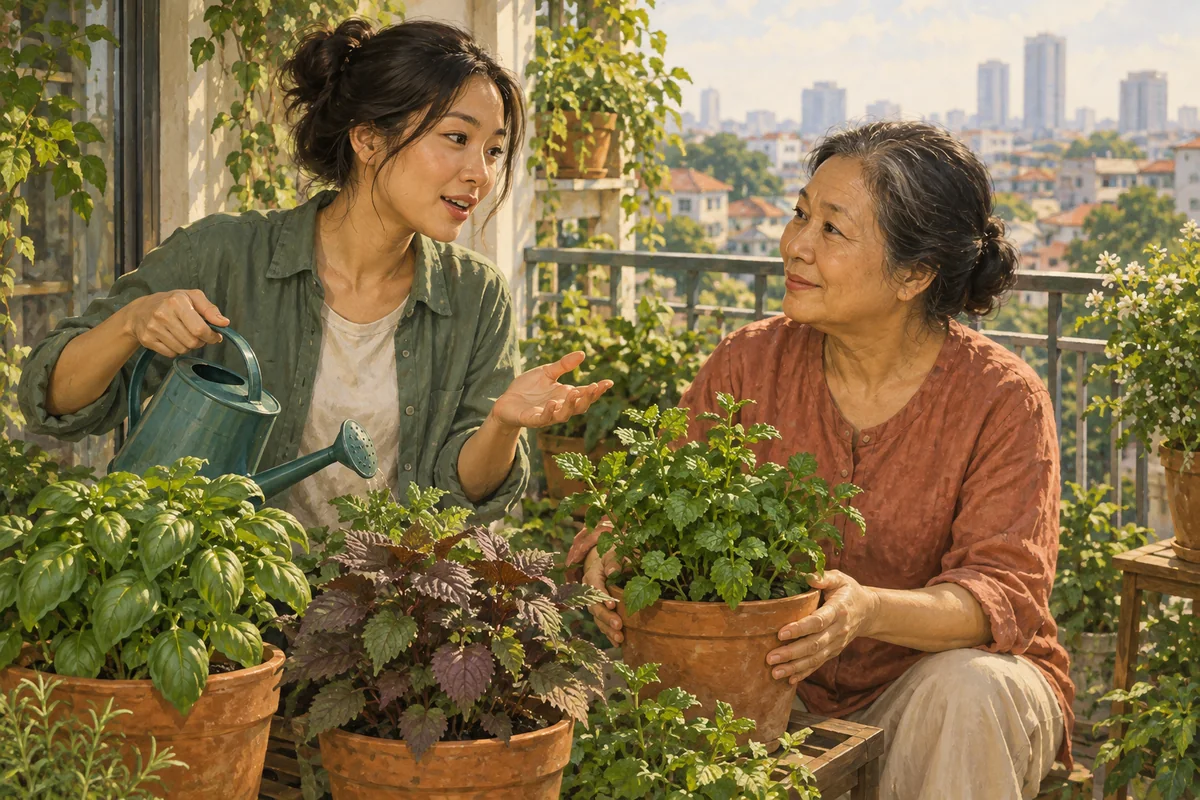
In many immigrant Vietnamese families, the generations are working from different reference points. Parents may have grown up with war, displacement, scarcity, and a model of family in which obligation is assumed and love is demonstrated through provision rather than words. Children may grow up with American norms around independence, career choice, emotional expression, and privacy.
The result is a set of very familiar friction points: how much say parents have in a career or a partner, how often you visit, whether you send money, how directly feelings get discussed, and how much of your life is family business.
Language adds another layer. Many second-generation children understand Vietnamese well but speak it at a child's level, which can mean adult conversations with parents happen in a language one side is still learning. Grandchildren and grandparents sometimes cannot speak to each other at all without a translator in the room.
It helps to name what is often actually happening: two generations expressing care in different dialects. Cut fruit, an extra container of food, and "have you eaten?" are one dialect. Saying "I love you" out loud is another. Neither is the absence of affection.